Diving into the world of small business insurance might seem intimidating, but fear not! We’ve distilled the essentials to give you a comprehensive guide to understanding the trio of insurance types that are crucial for safeguarding your enterprise. Whether you’re just starting out or are a seasoned entrepreneur, knowing your insurance coverage can be a game changer. Grab a cup of coffee, and let’s unravel the mysteries of liability, property, and worker’s compensation insurance.
With Backlinko-style insights, you’ll discover why these insurance types are not just ‘nice-to-haves’ but are vital shields for your business’s well-being. Get ready to explore how each type plays a pivotal role in risk management and financial protection — ensuring that your entrepreneurial dream can weather any storm. By the end of this read, you’ll be equipped with the knowledge to make informed insurance decisions that fortify your business against unforeseen challenges.






Understanding Three Types of Small Business Insurance
Did you know that 40% of small businesses have no insurance coverage at all? That’s a risky move. If you’re running a small business, having the right type of insurance isn’t just optional—it’s crucial.
A lawsuit, an unexpected disaster, or an employee injury can set you back years. But here is the deal: by understanding the key types of insurance, you can shield your business from potential threats and thrive confidently.
Liability Insurance: Your Business’s First Line of Defense
Liability Insurance is like your business’s knight in shining armor. It protects you against claims resulting from injuries and damages that occur on your property. Imagine a customer slipping on a wet floor—and then suing your business. This insurance kicks in to handle such sticky situations, covering legal costs and settlements.
Pro Tip:
Review your policy annually to ensure it aligns with your industry’s evolving regulations.
Property Insurance: Safeguarding Your Physical Assets
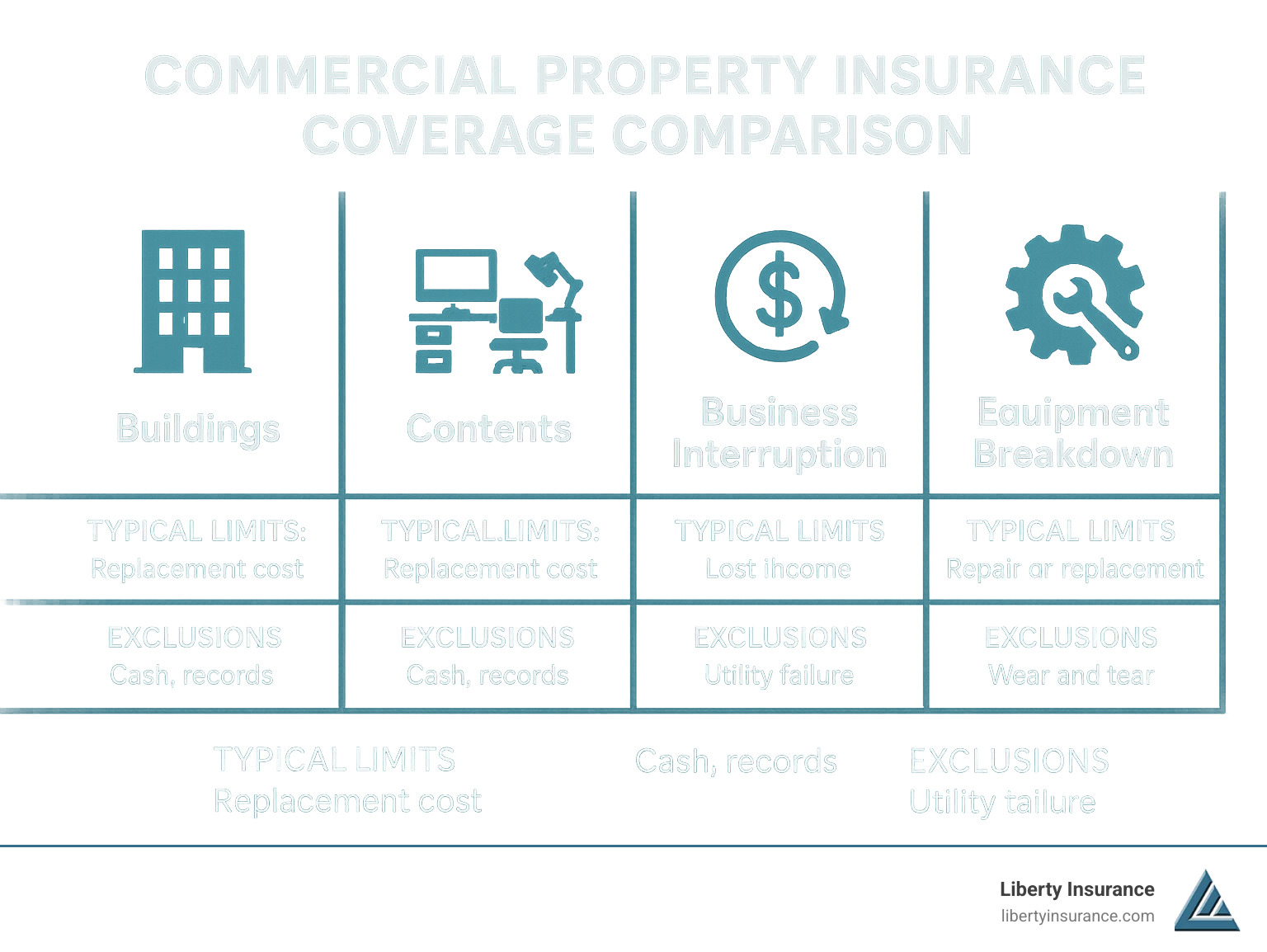
Your office is more than just walls and a roof—it contains your business’s heart, including equipment, stock, and furniture. Property insurance ensures that in case of a fire, theft, or a natural disaster, you’re not left empty-handed. This policy covers physical loss or damage to your property, helping you bounce back quickly.
Remember, not all policies are created equal. Always verify if natural disasters are covered, especially if your area is prone to such events.
Worker’s Compensation Insurance: Protecting Your Team
Your team is your greatest asset. If an employee gets injured on the job, Workers’ Compensation Insurance provides benefits for medical care, wage replacement, and rehabilitation. Failure to have this insurance could lead to hefty fines and could seriously harm your business reputation.
Step #1: Verify the legal requirements in your state; some demand it as a compulsory coverage. Step #2: Ensure your coverage level is adequate for your business size and risk-profile.
Benefits of Insuring Your Small Business
Think your small business doesn’t need insurance? Think again. Did you know that 40% of small businesses are likely to experience a property or liability loss in any given year?
Business insurance isn’t just a regulatory nuisance—it’s a safety net. It cushions you against unexpected financial blows and protects you from costly legal liabilities. But here’s the deal: not all business insurance is created equal, and understanding the benefits is crucial for selecting the right coverage.
Shield Against Financial Loss
Accidents happen, and they can be costly. From slip-and-fall injuries on your premises to a devastating fire, unexpected events can drain your finances. Having insurance ensures that you can keep your business afloat when disaster strikes. Step #1 in safeguarding against financial pitfalls? Secure commercial property insurance. Step #2: Don’t forget liability coverage. This step protects you from hefty lawsuits that can cripple your business without warning.
Pro Tip: “Even a small claim can wipe out a decade’s worth of savings. Never underestimate the financial cushion that insurance provides.”
Legal Liability Protection
Legal headaches are the stuff of nightmares for any business owner. That’s where insurance comes in, offering protection against claims that can otherwise roll over your business like a freight train. Whether it’s a disgruntled customer filing a lawsuit or an employee injury claim, you want to be prepared. Public liability insurance ensures you won’t foot the entire bill for legal expenses or settlements out of pocket.
Real-World Scenarios Where Coverage Matters
Think you’ll never need to file a claim? Let me paint a picture. Imagine launching a new product only to face a costly product recall due to defects. Or, picture your bustling seasonal business enduring a major storm, wiping out precious inventory. In both scenarios, appropriate insurance coverage saves you from potential ruin. You’ll find that same reassurance with business interruption insurance, which helps cover lost income if you need to halt operations temporarily.
Cost Factors for Small Business Insurance
:max_bytes(150000):strip_icc()/BestCommercialBusinessInsuranceCompanies_final-a23ae3f101fb4e749d31e3855a979a95.png "Best Commercial Insurance for Small Businesses")
Ever wonder why two businesses pay vastly different insurance premiums? It all boils down to specific cost determinants. Understanding these can save you big bucks.
The price of your small business insurance isn’t plucked from thin air. It depends on a few key factors like industry type, business location, and the coverage amount. BUT not all factors are created equal. Here’s the deal: recognizing these nuances means better planning and more savings.
Key Determinants of Insurance Costs
Industry type plays a massive role in what you’ll pay. A construction company deals with more risk than a coffee shop. So, they’ll see higher premiums. Then there’s business size. The larger and more complex your operations, the more you fork out. Larger businesses need higher coverage—and that’s a cost multiplier.
Location is another price driver. A business in a flood-prone area will pay more than one in a safe zone. Insurance companies assess local risk profiles, and your zip code matters.
Comparing Pricing Models for Coverage Plans
When it comes to pricing models, you’ve basically got two routes: fixed and variable plans. Fixed pricing offers predictable costs. Your premium stays steady regardless of claims. Variable pricing, however, fluctuates based on your claim history. No claims, lower costs—but one incident could spike your premium.
So how do you compare these? Use a simple grid:
| Pricing Model | Pros | Cons |
|---|---|---|
| Fixed | Predictable Costs | No Reduction for Zero Claims |
| Variable | Pays Off in Low-risk Years | Risk of High Annual Variability |
Cost-effective Strategies for Purchasing Insurance
Want to get the best bang for your buck? Start by bundling your policies. Insurers love a good bundle and will reward you with discounts. Also, raising your deductible lowers your premium. You’re technically accepting more risk, but it’s an excellent savings strategy if you’re financially stable.
Pro Tip: Shop around and compare quotes from at least three different insurers before committing. You could save up to 40% just by making this a routine exercise.
Choosing the Right Insurance Provider for Small Businesses
Did you know that 40% of small businesses don’t reopen after a disaster? This shocking stat underlines the critical role of having the right insurance provider. Having small business insurance isn’t just about compliance; it’s about securing your company’s future.
Choosing the right insurance provider can mean the difference between quick recovery and permanent closure. Here is the deal: you need a partner who understands your specific needs while offering reliability and trustworthiness. Let’s dive into how you can make the best choice.
Criteria for Selecting an Insurance Provider
Start with the basics. Check if the insurer is licensed in your state. This ensures that you’re protected under specific regulations. Next, review their coverage options. Do they offer what you really need? Small businesses have unique risks, so finding a provider who specializes in your industry can be a game changer. Don’t forget to compare deductibles, limits, and premiums. These factors directly impact your financial exposure.
Customer service is another crucial factor. A provider with 24/7 support can be invaluable when you need assistance immediately. Pro Tip: Request a sample policy document to see how transparent they are with terms and conditions.
Top Insurance Providers for Small Businesses
Here’s a quick shortlist of top providers to give you a head start:
- Hiscox – Specializes in small business needs, offering tailored policies.
- Nationwide – Known for comprehensive packages and great bundling options.
- Progressive – Affordable rates with flexible payment options.
- Travelers – Strong in workers’ comp and liability coverage.
Each of these providers offers something unique. Compare them based on the specifics of your business to get the most bang for your buck.
Evaluating the Reliability and Reputation of Insurance Companies
If the provider isn’t reliable, you’ll be in for a rough ride. First, check customer reviews and ratings. Websites like Better Business Bureau and Trustpilot are reliable sources. Look for patterns in reviews: consistent complaints about claims processing are red flags. Acknowledge the positive trends, too—happy clients are a good sign.
Consider the insurer’s financial stability. Companies like A.M. Best offer ratings that show an insurer’s ability to meet its financial obligations. Pro Tip: A rating of A or higher is generally a good sign. Lastly, seek recommendations from other small business owners. They can provide first-hand insights into the service quality and reliability that you might not find online.
Common Challenges When Securing Small Business Insurance
Securing small business insurance isn’t a walk in the park. Did you know 40% of small businesses remain uninsured? That’s a risky gamble.
Small businesses often hit roadblocks and feel overwhelmed by complex policies, high premiums, and a lack of personalized service. But understanding the common challenges can pave the way for better choices. Here’s the deal: knowing these hurdles can transform your insurance headache into a smart investment.
Decoding Complex Policy Language
Insurance policies are known for their legalese and jargon. For small business owners, this can be downright confusing. Many just skim through and end up missing vital coverage details. But you don’t have to be in the dark.
Step #1: Request a plain language summary from the provider. Most companies provide these upon request.
Pro Tip: “Don’t hesitate to ask your agent to break down policy terms in simple English.”
Understanding your policy is crucial, especially if you’re ever faced with a claim.
High Premium Costs
One of the biggest hurdles is the *cost* of insurance. Particularly for small businesses operating on thin margins, premiums can be daunting. Yet, it’s essential to manage these challenges without sacrificing crucial coverage.
Step #2: Shop around for quotes. Different providers have different rates for the same business type.
Negotiate with insurers based on your business’s risk profile. Remember, premiums can often be reduced by demonstrating a low-risk operation.
Lack of Tailored Service
Another challenge is receiving uniform services rather than solutions tailored to your unique needs. This “one-size-fits-all” approach can leave you underinsured or overcharged.
Step #3: Choose a provider that specializes in your industry. These agents understand your specific risks and can tailor policies accordingly.
For startups, overcoming these challenges is vital. Navigate them wisely to ensure your business’s long-term stability.
Legal Considerations in Small Business Insurance
You can’t afford to ignore this: Most small businesses are required to have insurance due to legal requirements. But how do you know which types you need to comply with?
Understanding the legal considerations in small business insurance can save you from hefty fines and liabilities. Here’s the deal: compliance is key and ignorance isn’t bliss. Let’s dive into the essential aspects you need to cover.
Understanding Legal Requirements
Every state has different mandatory insurance laws for small businesses. For example, workers’ compensation is often required if you have employees. Not having the correct insurance isn’t just risky—it’s illegal. You could face fines or even close down. Pro Tip: Consult with a legal expert to ensure you’re compliant with both state and federal regulations.
Compliance Aspects for Different Insurance Types
Small businesses often need several types of insurance, from General Liability to Professional Liability. Compliance isn’t just having the policies—it’s about having the right coverage limits and understanding what each policy entails. Moreover, certain industries might have additional requirements. Stay informed to avoid penalties that can dampen your budget.
Regulations and Legislation’s Role
Governments enact laws and regulations to protect consumers and ensure market fairness. These regulations significantly shape the small business insurance landscape. Step #1: Review relevant legislation affecting your industry. Step #2: Align your insurance policies with these regulations. Not doing so can lead to being underinsured or improperly insured, which is a gamble you don’t want to take.
Remember: “Insurance compliance is not a one-size-fits-all.”
Each business is unique, and so are the regulations that apply to it. Stay proactive and keep your insurance policies in line with changing regulations to safeguard your business and maintain a solid legal standing.
Last Word
So there you have it — a deep dive into the intricacies of small business insurance that leaves no stone unturned. Armed with this knowledge, you’re ready to make strategic decisions that will safeguard your business and give you peace of mind. Remember, insurance is more than just a policy; it’s a partnership in protecting your livelihood. As you venture forward, let these insights propel you towards resilient business operations, empowered by informed insurance choices.
Frequently Asked Questions
What are the three main types of small business insurance?
The three main types are liability insurance, property insurance, and worker’s compensation insurance, each covering different aspects of business risk.
Why is liability insurance important for small businesses?
Liability insurance protects your business from lawsuits and claims for damages due to negligence or harm caused by your products or services.
How does property insurance benefit a small business?
Property insurance covers damage or loss of physical assets like buildings, equipment, and inventory, safeguarding against events like theft or natural disasters.
What does worker’s compensation insurance cover?
Worker’s compensation insurance provides wage replacement and medical benefits to employees injured on the job, ensuring legal compliance and support for your workforce.
How can small businesses find a reliable insurance provider?
Look for providers with strong reputations, industry experience, and tailored offerings that meet your specific business needs, ensuring trust and reliability.